
Woody > Viburnum > Viburnum x juddii > Viburnum x juddii
Viburnum x juddii
Juddii Virburnum
Origin: This plant is a selection made at the Arnold Arboretum of Harvard University by gardens propagator William Judd in 1920. It is a cross between Viburnum carlesii and Viburnum bitchiuense and was named after him in 1935.
| Family |
| Adoxaceae (Caprifoliaceae) |
| Genus |
| Viburnum |
| Species |
| x juddii |
| Category |
| Woody |
| Type |
| Shrub (deciduous) |
| USDA Hardiness Zone |
| 4 - 8 |
| Canadian Hardiness Zone |
| 2a - 8a |
| RHS Hardiness Zone |
| H4 - H7 |
| Temperature (°C) |
| -35 - (-7) |
| Temperature (°F) |
| -30 - 20 |
| Height |
| 1 - 2.5 m |
| Spread |
| 1 - 2.5 m |
Photographs
Cultivars
click to expand
Description and Growing Information
Flowering Period









| Landscape |
| Works well both as a specimen and in groups, or as an addition to a shrub or flower border. |
| Cultivation |
| Grow in full sun or partial shade in any moderately fertile, rich, well-drained soil. |
| Shape |
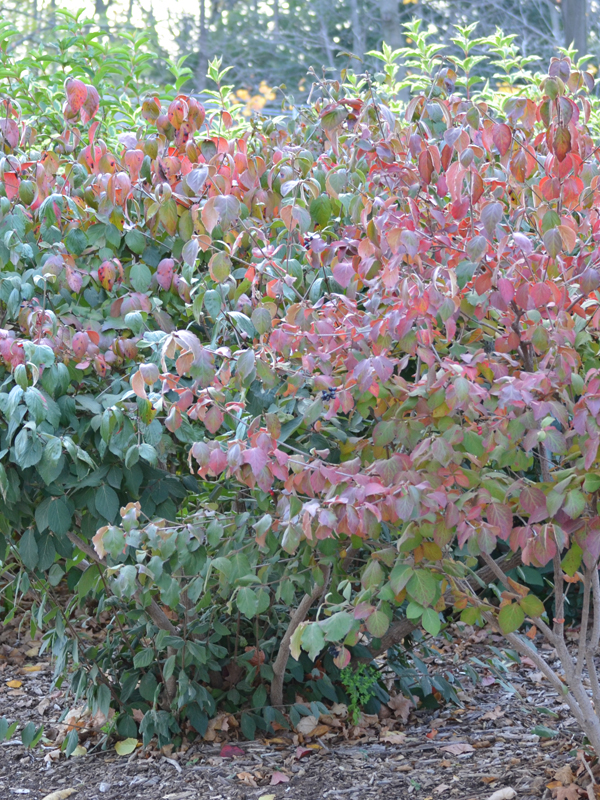
| Rounded form. |
| Growth |
| Medium |
| Pests |
| Aphids, whitefly, leaf spot and honey fungus. |
| Habitat |
| Horticultural origin. |
| Leaf Description |
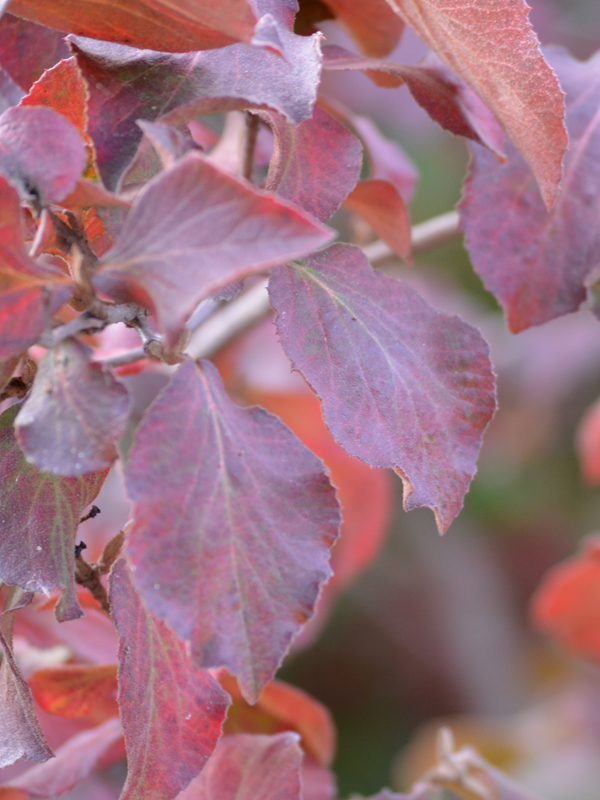
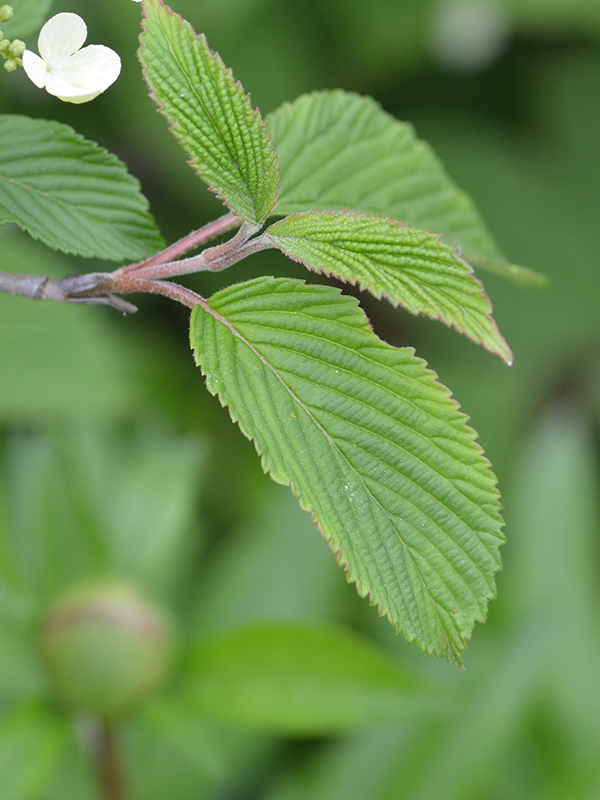
| Leaves are dark green, ovate to ovate-oblong, growing to 6.5 cm long, turning burgundy purple to red in autumn. |
| Flower Description |
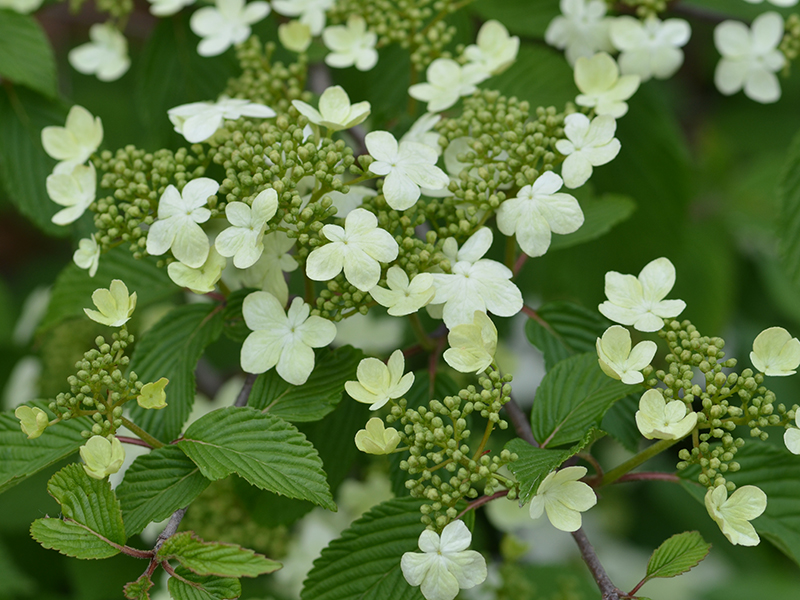
| Flowers are sweetly fragrant and white, appearing in hemispherical clusters in spring that are attractive to butterflies. |
| Fruit Description |
| Fruit is a berry-like drupe that ripens from red to black. |
| Notable Specimens |
| The Toronto Botanical Garden, Toronto, Ontario, Canada. Royal Botanical Gardens, Burlington, Ontario, Canada. |
| Propagation |
| Propagate through softwood cuttings, hardwood cuttings, grafting and layering. |

top