
Woody > Berberis > Berberis thunbergii > Berberis thunbergii f. atropurpurea 'Concorde'
Berberis thunbergii
f. atropurpurea 'Concorde'
Concorde Japanese Barbarry
| Family |
| Berberidaceae |
| Genus |
| Berberis |
| Species |
| thunbergii |
| Cultivar |
| 'Concorde' |
| Category |
| Woody |
| Type |
| Shrub (deciduous) |
| Forma |
| atropurpurea |
| USDA Hardiness Zone |
| 4 |
| Canadian Hardiness Zone |
| 2 - 5a |
| RHS Hardiness Zone |
| H7 |
| Temperature (°C) |
| -35 - (-29) |
| Temperature (°F) |
| -30 - (-20) |
| Height |
| 45 - 60 cm |
| Spread |
| 60 - 90 cm |
Photographs
Awards

Description and Growing Information
Flowering Period









| Landscape |
| Works well in gardens and as borders and groundcover. |
| Cultivation |
| Will thrive in any soil type that is not waterlogged, and should be grown in full sun. |
| Growth |
| Medium |
| Pests |
| The bacteria Pseudomonas berberidis may cause black spots on leaves, and the berberry aphid (Liosomaphis berberidis) may also be a problem. |
| Habitat |
| Horticultural origin. |
| Colour Description |
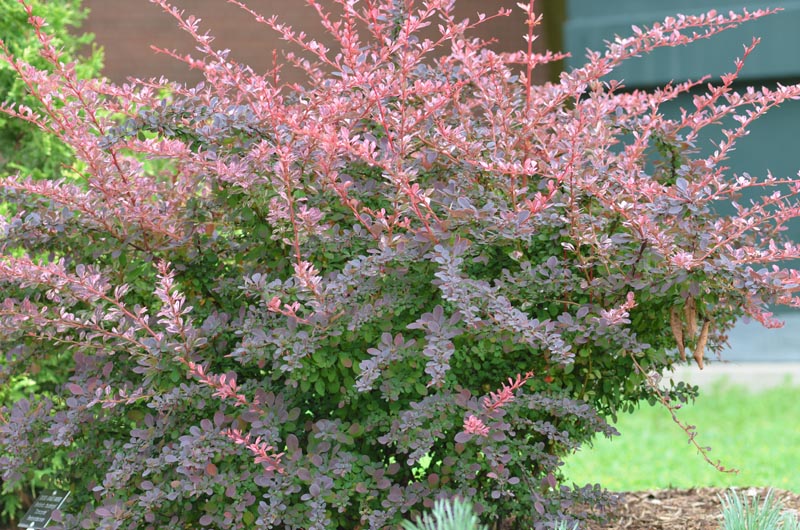
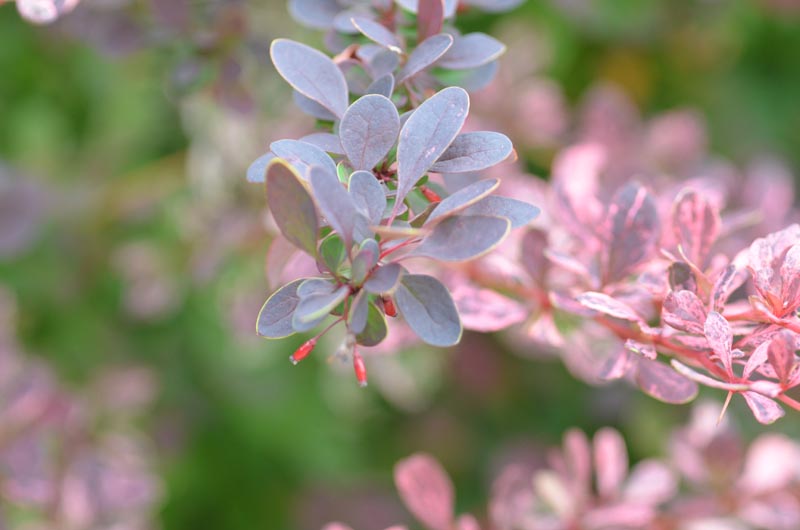
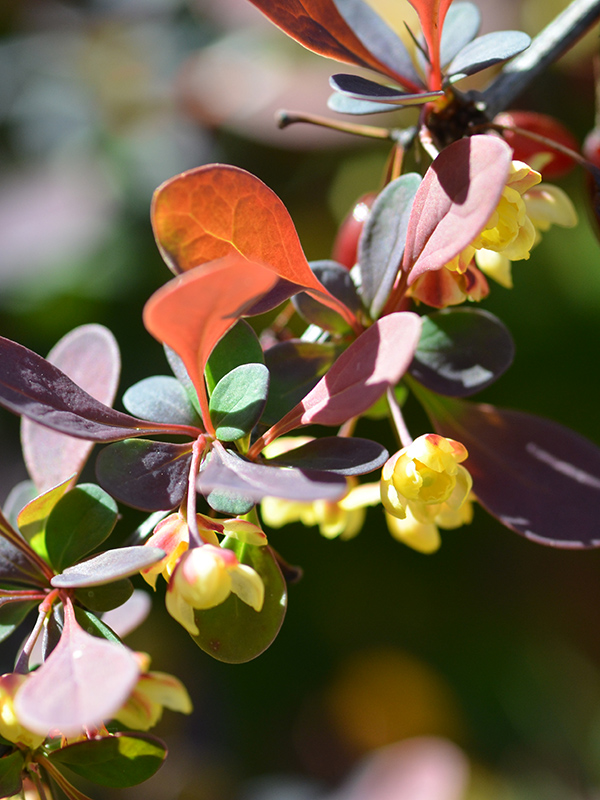
| This plant has a deep purple and red foliage. |
| Notable Specimens |
| The Gardens of Fanshawe College, London, Ontario, Canada. |
| Propagation |
| Propagate by seed (although offspring may be variable), or by cuttings. |

top