
Woody > Syringa > Syringa reticulata > Syringa reticulata subsp. reticulata
Syringa reticulata
ssp. reticulata
Japanese Tree Lilac
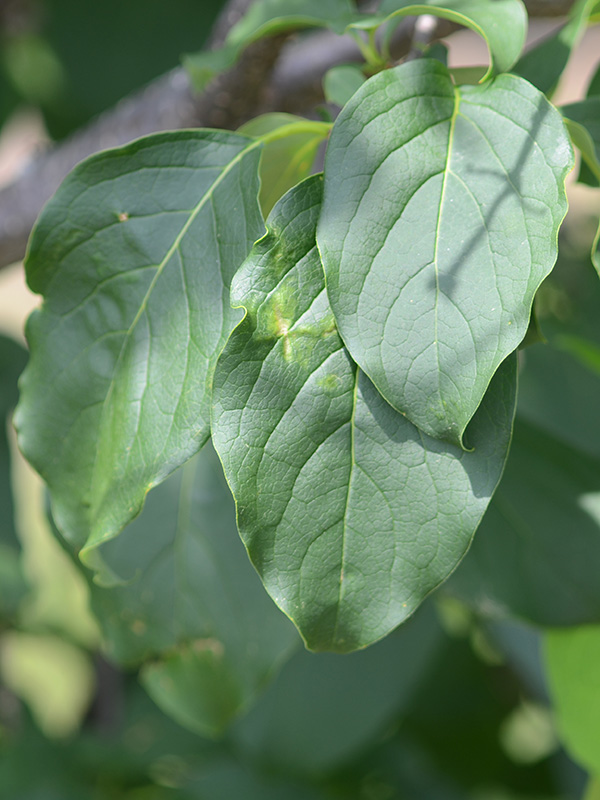
Origin: Native to Japan. Reticulata means netted-veined and is a reference to the leaf veins.
| Family |
| Oleaceae |
| Genus |
| Syringa |
| Species |
| reticulata |
| Category |
| Woody |
| Type |
| Tree (deciduous) |
| Subspecies |
| reticulata |
| USDA Hardiness Zone |
| 3 - 7 |
| Canadian Hardiness Zone |
| 1a - 7a |
| RHS Hardiness Zone |
| H5 - H7 |
| Temperature (°C) |
| -40 - (-12) |
| Temperature (°F) |
| -40 - 10 |
| Height |
| 9 m |
| Spread |
| 6 m |
Photographs
Description and Growing Information
Flowering Period









| Landscape |
| Wonderful specimen tree. |
| Cultivation |
| Grow in full sun in rich, well-drained, moist soil. Has good tolerance for urban conditions, but should not be planted south of USDA Zone 7, as it does best in areas with cool summers. |
| Shape |
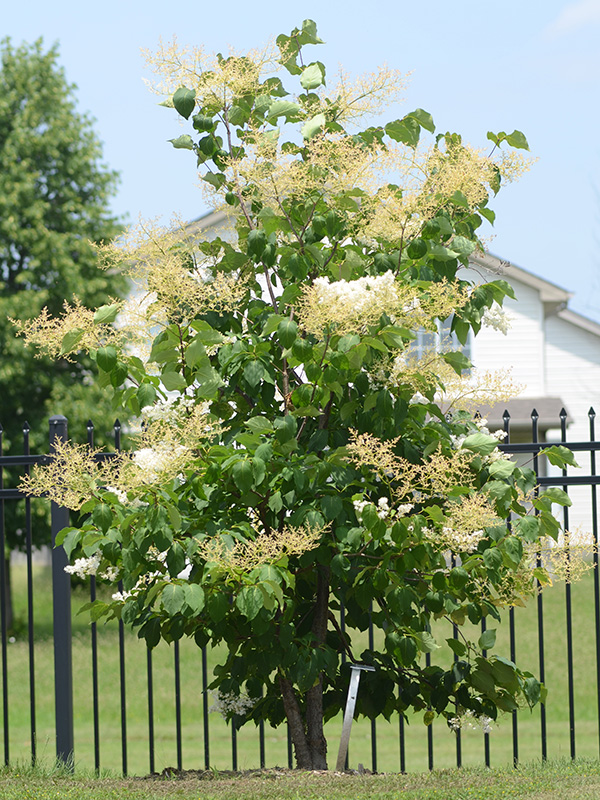
| Oval-rounded crown. |
| Pests |
| Excellent resistance to most pests and diseases that are known to affect lilacs, however caterpillars and leaf miner may still cause problems. |
| Bark/Stem Description |
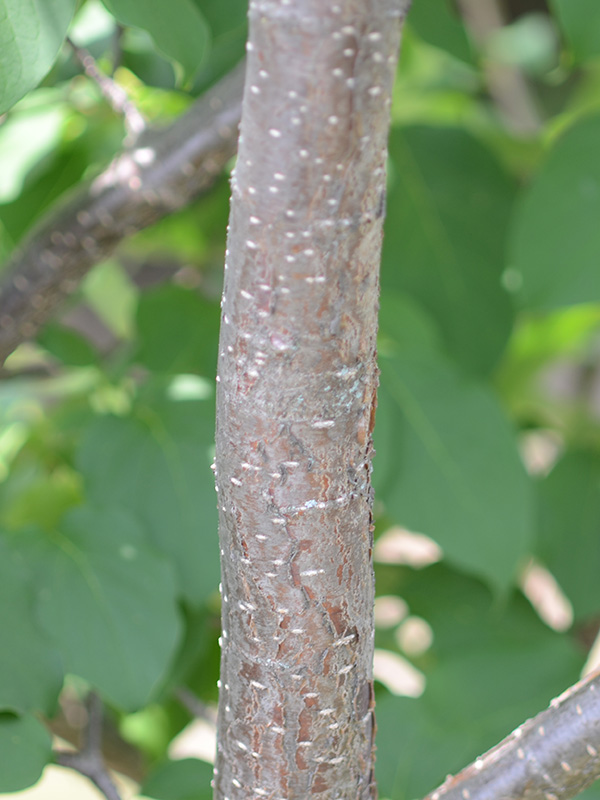
| Reddish-brown peeling bark. |
| Notable Specimens |
| Royal Botanical Gardens, Burlington, Ontario, Canada. |
| Propagation |
| Propagate through softwood cuttings, or by seed in spring. |

top